Sort by
Filter and sort
Filter and sort

6 products

6 products

Collection: Mens Health Supplements

Men's Health Supplements for Energy, Vitality, and Performance

Men's bodies have specific nutritional needs that shift with age, activity level, and lifestyle. From maintaining energy and muscle mass to supporting prostate health and hormonal balance, the right supplements can fill gaps that diet alone may not cover.

A targeted approach to men's health supplementation addresses the areas where men are most likely to fall short, including zinc, vitamin D, magnesium, and B-vitamins.

Key Areas of Men's Health Support

Energy and Physical Performance

Low energy is one of the most common complaints among adult men. B-vitamins, iron, and CoQ10 all play roles in cellular energy production. B-12 Complex Vitamin supports increased energy and vitality, muscle mass, and nerve tissue health, making it a practical daily addition for men dealing with fatigue.

Muscle Recovery and Strength

Active men need more than just protein. BCAAs (branched-chain amino acids), creatine, and magnesium support muscle protein synthesis, reduce post-workout soreness, and maintain strength. A good sports nutrition supplement can help you train harder and recover faster.

Prostate and Hormonal Health

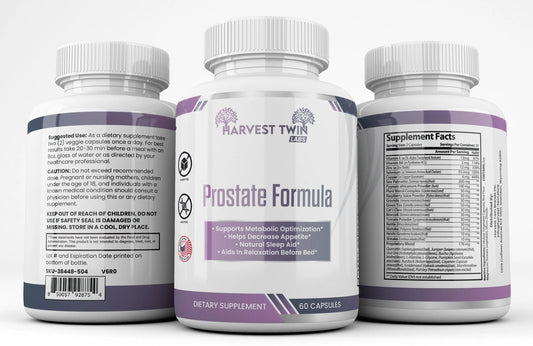
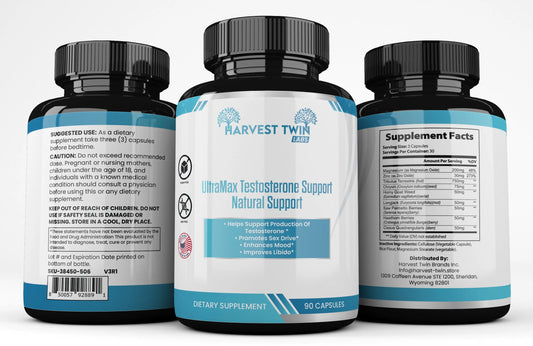
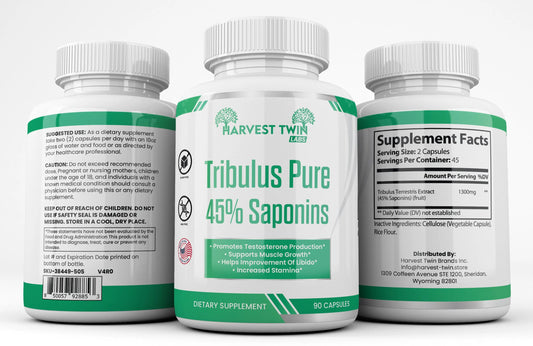
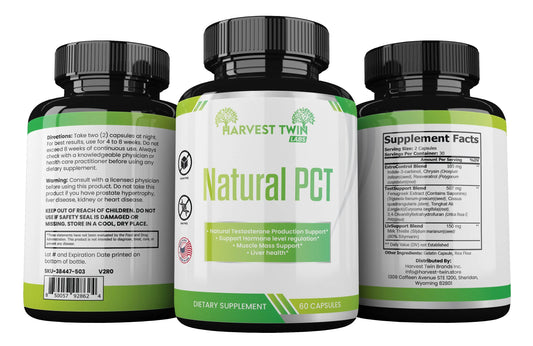
After age 40, prostate health becomes a priority for most men. Saw palmetto, zinc, and lycopene are among the most well-studied nutrients for prostate support. Maintaining healthy testosterone levels through proper nutrition, exercise, and targeted supplementation supports mood, energy, and body composition.

Stress Management and Mental Clarity

Men often underestimate the impact of chronic stress on health. High cortisol levels can reduce testosterone, increase belly fat, and disrupt sleep. Adaptogenic supplements like Ashwagandha help manage stress while supporting a healthy nervous system and balanced mood.

What Men Often Miss Nutritionally

Vitamin D deficiency is widespread among men, especially those who spend most of their time indoors. Low vitamin D has been linked to fatigue, weakened immunity, and reduced bone density. Magnesium is another commonly overlooked mineral that supports over 300 enzymatic processes in the body, including muscle function and sleep quality.

Zinc is critical for immune function, testosterone production, and wound healing. Men lose zinc through sweat, making supplementation especially important for active individuals.

Pairing men's health supplements with a quality general wellness multivitamin ensures broad nutritional coverage alongside targeted support.

Building a Men's Health Supplement Routine

Start with a foundation of a multivitamin, vitamin D, and magnesium. Add targeted supplements based on your primary goals, whether that is muscle building, stress management, or prostate health. Consistency over 30 to 60 days is key to seeing measurable results.

Combine supplementation with regular exercise, quality sleep, stress management, and a protein-rich diet for the strongest outcomes.

Frequently Asked Questions

What supplements should men take daily?

A multivitamin, vitamin D, magnesium, and omega-3 fatty acids are commonly recommended as a daily foundation for men's health.

Do men need different supplements than women?

Men generally need higher amounts of zinc, magnesium, and certain B-vitamins. Men do not need iron supplementation unless directed by a healthcare provider.

Can supplements help with low energy in men?

Yes. B-12, CoQ10, iron (if deficient), and vitamin D are all linked to energy production. Addressing sleep quality and stress also plays a major role.

At what age should men start taking prostate supplements?

Most health professionals suggest men begin considering prostate-supportive nutrients around age 40, though earlier supplementation with zinc and lycopene is also common.

Are men's health supplements safe to combine with medications?

Most supplements are safe alongside standard medications, but interactions are possible. Consult your healthcare provider before combining supplements with prescription drugs.

*These statements have not been evaluated by the Food and Drug Administration. Products are not intended to diagnose, treat, cure, or prevent any disease.