Sort by
Filter and sort
Filter and sort

6 products

6 products

Collection: Womens Health

Women's Health Supplements for Every Stage of Life

Women's bodies go through constant changes, from menstrual cycles and pregnancy to perimenopause and beyond. Each stage comes with unique nutritional demands that a standard diet may not fully meet. Targeted women's health supplements help fill those gaps so you can feel strong, balanced, and energized no matter what life throws at you.

A smart supplement routine supports hormonal balance, bone density, energy levels, and the specific vitamins and minerals that women are most likely to be deficient in.

Key Nutritional Needs for Women

Iron and Energy Support

Iron deficiency is one of the most common nutritional shortfalls among women, especially during reproductive years. Low iron leads to fatigue, weakness, and reduced exercise tolerance. A quality iron supplement or a women's multivitamin with adequate iron can help maintain healthy energy levels.

B-12 Complex Vitamin supports energy production and nerve tissue health, making it a practical addition for women managing busy schedules and persistent fatigue.

Calcium and Vitamin D for Bone Health

Women are at higher risk for osteoporosis than men, especially after menopause when estrogen levels decline. Adequate calcium and vitamin D intake throughout adulthood helps maintain bone density and reduce fracture risk. Aim for at least 1,000 mg of calcium and 600 to 2,000 IU of vitamin D per day.

Hormonal Balance and Mood Support

Hormonal shifts during PMS, pregnancy, postpartum, and menopause can significantly affect mood, energy, and sleep quality. Adaptogens like Ashwagandha help regulate cortisol and support a balanced mood. For serotonin support, 5-HTP Mood Enhancer may help stabilize mood fluctuations naturally.

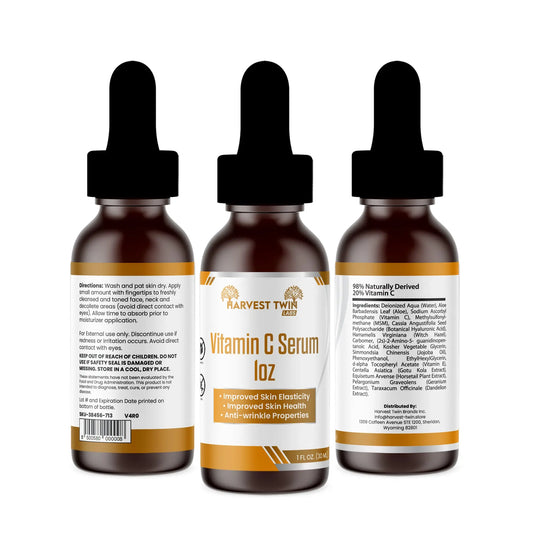
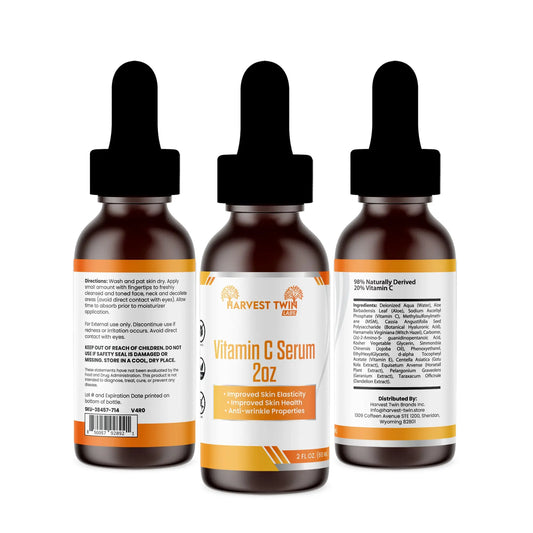
Beauty from Within

Women often juggle multiple wellness goals at once, including looking and feeling their best. 

Common Nutritional Gaps in Women's Diets

Folate, iron, calcium, vitamin D, magnesium, and omega-3 fatty acids are the nutrients women most commonly lack. Restrictive diets, busy lifestyles, and the demands of pregnancy and breastfeeding increase the risk of deficiency.

A comprehensive general wellness multivitamin designed for women can cover many of these bases. Adding targeted supplements based on your specific stage of life and wellness goals creates a more personalized approach.

Lifestyle Habits That Support Women's Health

Weight-bearing exercise like walking, jogging, and resistance training builds bone density and supports metabolic health. Aim for at least 150 minutes of moderate activity per week.

Prioritize quality sleep, since hormonal regulation happens primarily during deep sleep cycles. Managing stress through movement, journaling, or social connection helps keep cortisol levels healthy.

Maintaining gut health with a quality probiotic supports nutrient absorption, immune function, and even hormonal metabolism. A balanced gut microbiome helps your body process and eliminate excess hormones more efficiently.

Frequently Asked Questions

What vitamins do women need most?

Iron, calcium, vitamin D, folate, magnesium, and omega-3 fatty acids are the most commonly recommended nutrients for women at all life stages.

Should women take different supplements at different ages?

Yes. Younger women may prioritize iron and folate, while women over 40 should focus more on calcium, vitamin D, and bone-supportive nutrients.

Can supplements help with PMS symptoms?

Magnesium, vitamin B6, calcium, and evening primrose oil have shown promise in reducing common PMS symptoms like bloating, mood changes, and cramping.

Are women's health supplements safe during pregnancy?

Some supplements are safe during pregnancy, but always consult your healthcare provider before taking any new supplement while pregnant or breastfeeding.

How do I choose the right women's health supplement?

Start with your primary health concern, whether that is energy, hormonal balance, bone health, or beauty. Choose one or two targeted supplements and give them 30 to 60 days of consistent use.

*These statements have not been evaluated by the Food and Drug Administration. Products are not intended to diagnose, treat, cure, or prevent any disease.