Sports Nutrition Supplements for Performance and Recovery
Whether you are training for a competition or just trying to stay consistent at the gym, your body needs more than food alone to perform at its peak. Sports nutrition supplements fill the gaps between what your diet provides and what intense physical activity demands.
The right supplements can help you push harder during workouts, recover faster afterward, and maintain the energy and muscle mass needed to keep progressing toward your fitness goals.
Key Sports Nutrition Supplements
BCAAs for Muscle Recovery and Growth
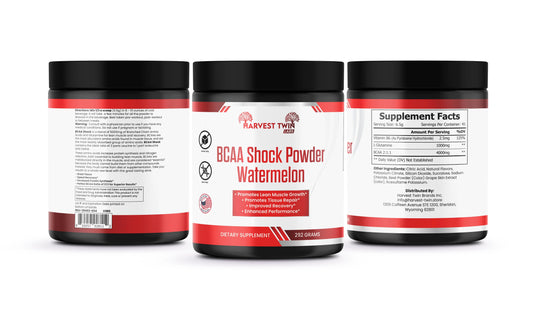
Branched-chain amino acids (leucine, isoleucine, and valine) are essential for muscle protein synthesis. Taking BCAAs before, during, or after workouts can help reduce muscle soreness and speed up recovery. BCAA Shock Powder (Watermelon) promotes lean muscle growth, stimulates tissue repair, and supports enhanced performance in a convenient powder format.
Pre-Workout Energy and Endurance
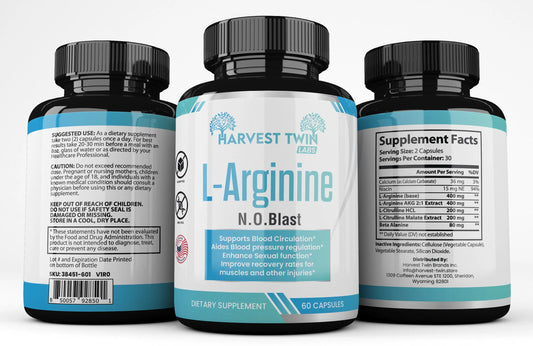
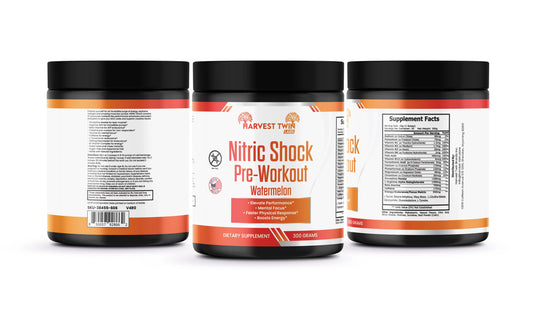
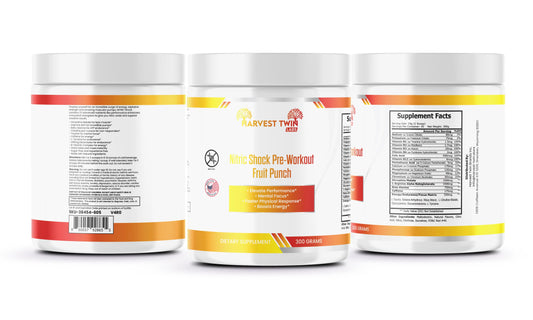
Showing up to the gym without energy leads to lackluster sessions and slow progress. Pre-workout supplements typically combine caffeine, beta-alanine, and nitric oxide precursors to boost energy, delay fatigue, and improve blood flow to working muscles.
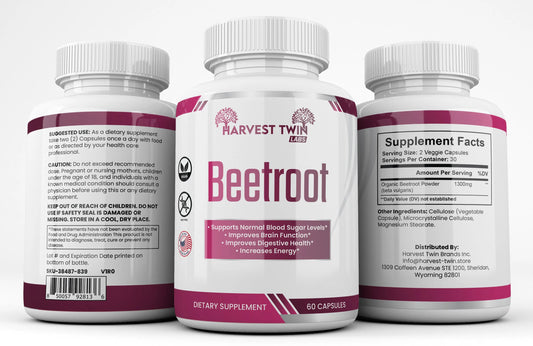
Beetroot is a natural source of nitrates that support blood flow and oxygen delivery during exercise. Beetroot Supplement supports normal blood sugar levels, brain function, and digestive health alongside its performance benefits.
Post-Workout Recovery Support
Recovery is where muscle growth actually happens. After intense training, your body needs amino acids, anti-inflammatory nutrients, and adequate hydration to repair damaged tissue and come back stronger. Proper recovery supplementation helps reduce downtime between sessions.
Fueling Your Body for Athletic Performance
Active individuals have higher requirements for protein, electrolytes, and certain micronutrients. Aim for 0.7 to 1 gram of protein per pound of body weight daily if you are training regularly. Spread protein intake across meals and snacks throughout the day for optimal absorption.
Carbohydrates are your body's preferred fuel source for high-intensity exercise. Timing carb intake around workouts can improve performance and recovery. Healthy fats support hormone production, including testosterone, which plays a role in muscle building and energy.
Staying hydrated is non-negotiable. Even mild dehydration can reduce strength, endurance, and cognitive performance during training.
Supporting Overall Health as an Athlete
Training hard without supporting your immune system can lead to overtraining syndrome and frequent illness. Intense exercise temporarily suppresses immune function, making consistent nutritional support even more important for athletes.
A quality general health multivitamin fills micronutrient gaps that may develop from high-calorie, high-activity lifestyles. Magnesium and zinc are two minerals that athletes commonly deplete through sweat and should actively replenish.
Sleep is the most underrated performance enhancer. Aim for 7 to 9 hours per night to maximize recovery, hormone regulation, and muscle repair.
Frequently Asked Questions
What supplements should I take for working out?
A protein source (whey or BCAAs), creatine, and a multivitamin are the most universally recommended. Pre-workout supplements can help with energy and focus during sessions.
When should I take BCAAs?
BCAAs can be taken before, during, or after workouts. Taking them during training may help reduce muscle breakdown and support endurance.
Do I need a pre-workout supplement?
A pre-workout is not required, but it can improve energy, focus, and performance during demanding sessions. Start with a half dose to assess your tolerance.
How much protein do athletes need daily?
Most active adults benefit from 0.7 to 1 gram of protein per pound of body weight per day, distributed across multiple meals.
Can supplements help with muscle soreness?
BCAAs, tart cherry extract, magnesium, and omega-3 fatty acids may all help reduce delayed onset muscle soreness (DOMS) after intense training.
*These statements have not been evaluated by the Food and Drug Administration. Products are not intended to diagnose, treat, cure, or prevent any disease.